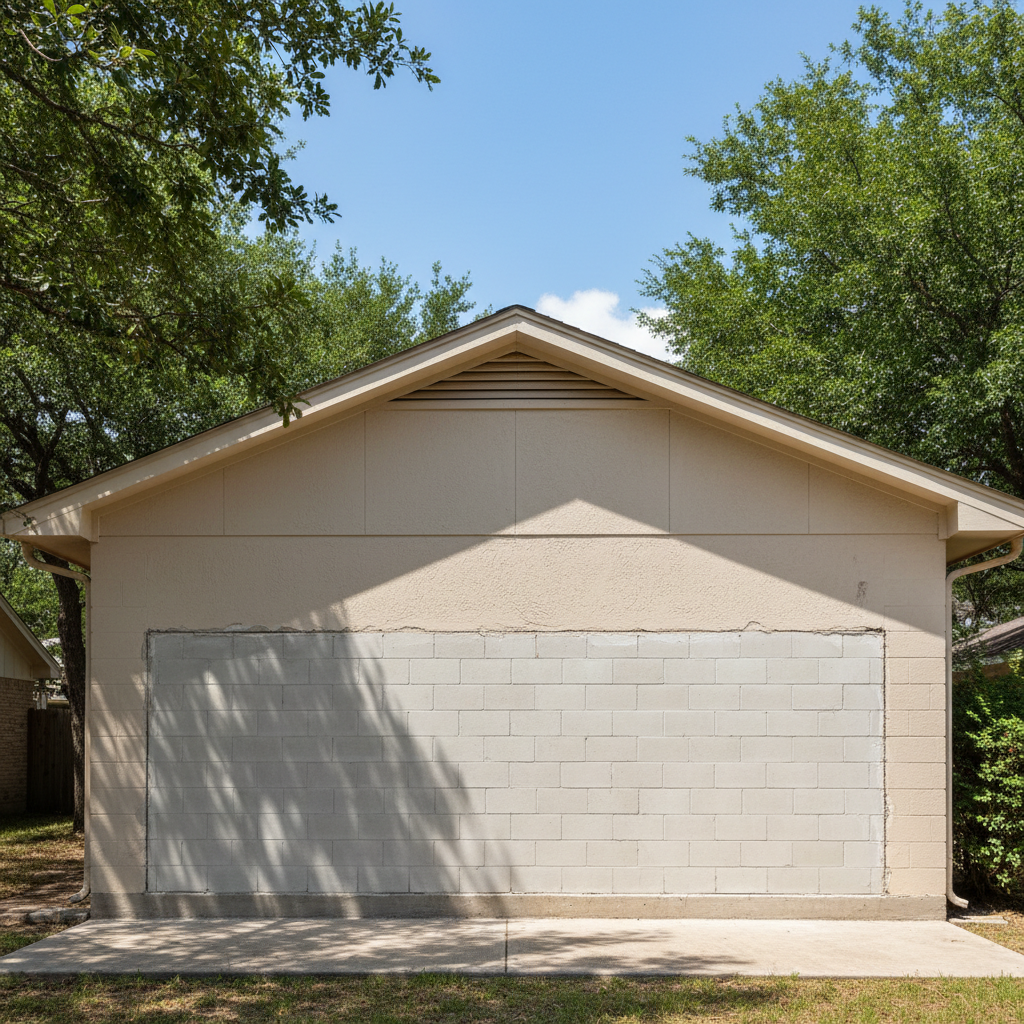
So, you've gone through the whole stucco removal process. Maybe you had some serious water damage, or perhaps you just wanted a fresh look for your Austin home. Either way, you've invested in a big change, and now the big question is: how do you make sure that new siding lasts? It's not just about the installation; it’s really about what you do next. Here’s what I tell folks after we’ve wrapped up a job.
Making Your New Siding Last
The biggest thing you can do to make your new siding last longer, whether it’s fiber cement, wood, or something else, is to keep a close eye on water. Austin’s weather can be a real rollercoaster – bone-dry spells followed by torrential downpours. That’s why good drainage around your foundation is so important. Make sure your gutters are clean and push water away from the house, at least five feet out. If you’ve got landscaping right up against the house, think about pulling it back a bit. Plants hold moisture against the siding, and that just asks for trouble, especially with wood siding. Also, consider your paint job. A good quality exterior paint isn’t just for looks; it’s a protective layer. Don’t cheap out on paint, and watch for chipping or fading. A fresh coat every 7-10 years, or sooner if it looks tired, can make a huge difference.
Regular Upkeep: Your To-Do List
This isn't rocket science, but it does take consistency. Here's your checklist:
- Clean your gutters: I know, I just said it, but it’s *that* important. Do it at least twice a year, more if you have a lot of trees. Clogged gutters mean water overflowing and running down your siding, which is exactly what we want to avoid.
- Wash your siding: A gentle wash with a hose and a soft brush, maybe some mild soap, can get rid of dirt, pollen, and mildew. You’d be surprised how much gunk builds up, especially on the north side of a house that doesn't get much sun. Avoid high-pressure washing unless you really know what you’re doing; you can force water behind the siding or damage the material.
- Trim back foliage: Keep trees and shrubs from touching your house. They rub against the siding, wearing down the finish, and they can trap moisture. Plus, they’re a highway for pests.
- Check caulking and sealants: Look around windows, doors, and any other spots where things poke through your siding. Caulking dries out and cracks over time, especially with our Texas heat. A small crack can let in a lot of water.
Signs of Trouble to Watch For
You’ve got to be proactive. Walk around your house every few months, especially after a big storm. Look for these things:
- Discoloration or staining: Dark streaks, particularly under windows or at corners, often mean water is getting where it shouldn’t. Green or black spots could be mold or mildew, which can point to trapped moisture.
- Cracks or gaps: Any new cracks in the siding itself, or gaps where siding meets trim, are big red flags.
- Peeling or blistering paint: This is a classic sign of moisture trying to escape from behind the siding, or just poor adhesion.
- Soft spots: If you can gently press on a spot of siding, especially wood, and it feels soft or spongy, that’s a serious problem. It means rot.
- Pest activity: Termites and other pests love damp wood. If you see signs of them, it’s not just a pest problem; it’s often a moisture problem too.
Honestly, the biggest mistake I see homeowners make is ignoring these small things until they become big, expensive things. That’s why we at Austin’s Cowboy Stucco Co. always emphasize regular check-ups.
When to Call a Pro
Look, not everything is a DIY job. You’ve got to know your limits. If you see any of those warning signs, and you’re not sure what’s causing it or how to fix it, that’s when you call someone like me. Specifically:
- Persistent moisture issues: If you’ve cleaned your gutters and trimmed your bushes, but you still see staining or dampness, there’s a deeper problem. It could be a flashing issue, a roof leak, or something else entirely.
- Significant damage: Large cracks, widespread peeling paint, or soft spots that point to rot are beyond a simple patch job. You’ll likely need sections of siding replaced.
- Suspected structural damage: If you’re seeing bowing in walls, uneven floors, or doors/windows that stick, it could be related to water damage and needs immediate professional assessment.
- Pest infestations: While a pest control company handles the bugs, the underlying moisture issue that attracted them often needs a siding expert to fix.
Don’t wait until it’s a full-blown emergency. A small repair now can save you thousands later. Your home is a huge investment, and taking care of its exterior, especially after a major project like stucco removal, is key to protecting that investment for the long haul.